Solo Wilderness Travel: A Journey into Self-Discovery and Survival
The wilderness has always held a certain allure—an untamed realm of beauty and mystery that calls to the adventurous spirit within us. In a world increasingly dominated by screens and urban landscapes, the idea of venturing into the wild alone is both a romantic fantasy and a challenging reality.
A solo wilderness expedition is more than just a physical journey; it’s a profound exploration of self, a test of survival skills, and an opportunity to reconnect with the natural world in its purest form.
1.The Essence of Solitude:
Solitude, often misconceived as isolation, is a profound state of introspection and self-discovery. It is the tranquil space where one connects with their inner thoughts, emotions, and aspirations. In solitude, external distractions fade, allowing the mind to wander, reflect, and create. It nurtures mindfulness and cultivates a deeper understanding of one’s values and purpose. Solitude fosters personal growth, as it encourages individuals to confront their fears and embrace solitude as a companion, not a burden.

Through this profound aloneness, artists find inspiration, thinkers birth profound ideas, and individuals recharge their spirits. It is a sanctuary for rejuvenation, where the cacophony of the world gives way to the symphony of self. Solitude is not about withdrawing, but about replenishing, making it essential for a balanced and fulfilling life—a timeless voyage into the essence of being.
2.Preparation and Self-Sufficiency:
Embarking on a solo wilderness adventure demands meticulous preparation and unwavering self-sufficiency. Thoroughly research the terrain, weather conditions, and potential hazards of your chosen destination. Equip yourself with essential survival gear, including shelter, food, water filtration, and a first aid kit.

Master fundamental outdoor skills such as fire-making, navigation, and basic medical care. Physical fitness is crucial; build stamina and strength to handle the challenges ahead. Leave a detailed itinerary with a trusted person and establish regular check-ins.
Cultivate a resilient mindset, emphasizing adaptability and problem-solving. Prioritize lightweight and versatile gear to minimize your load. Learn about local flora and fauna for safety and sustenance. Respect nature by practicing Leave No Trace principles.
Confidence arises from competence, so practice wilderness skills beforehand. Carry a map, compass, or GPS device, and understand their use. Embrace solitude while staying cautious. In the wild, self-reliance is paramount. Adequate preparation ensures a safe and enriching solo wilderness expedition.
3.Navigating the Unknown:
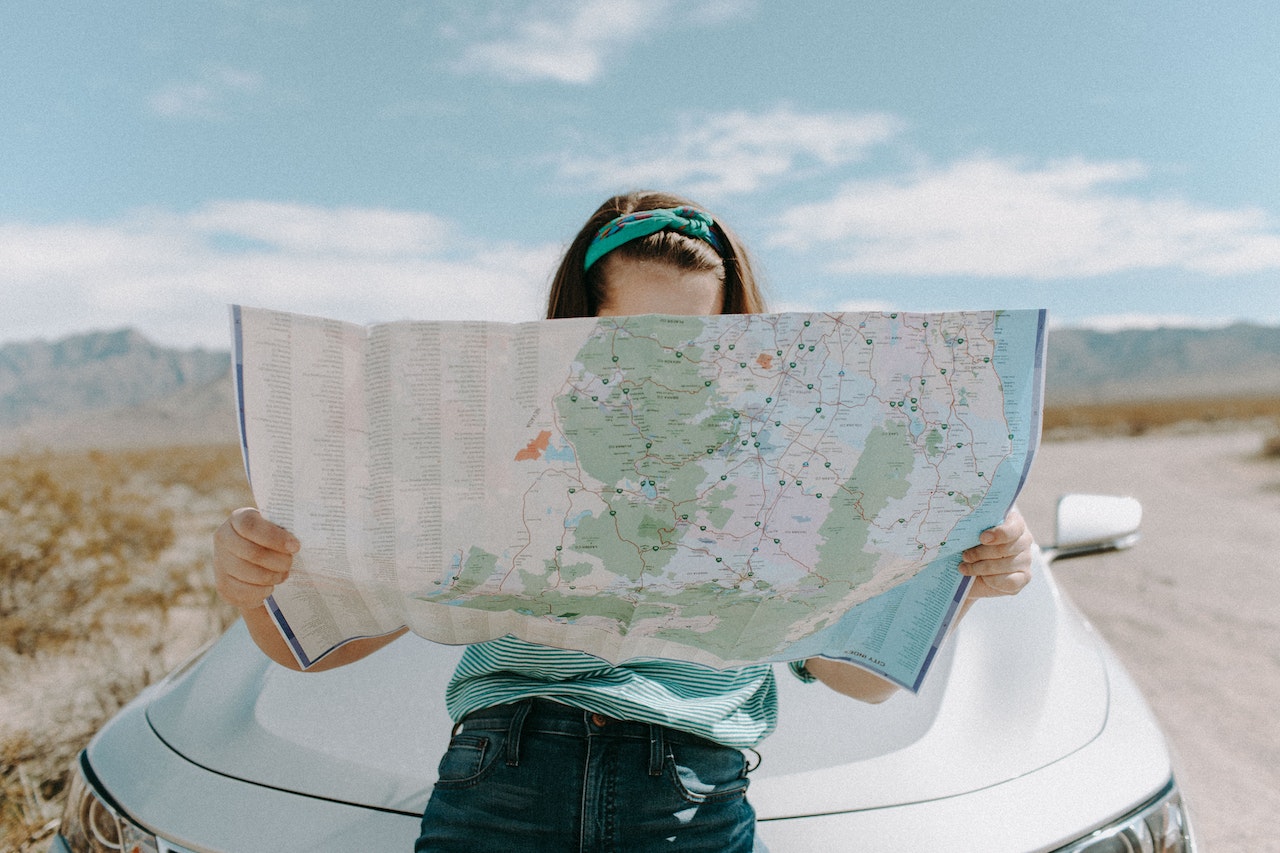
Navigating the unknown during solo wilderness travel demands a blend of caution, skill, and courage. Prioritize thorough research about your chosen terrain, understanding its topography, weather patterns, and potential dangers. Carry reliable navigation tools like maps, compasses, or GPS devices, and familiarize yourself with their usage before setting out.
Trust your instincts but rely on your preparedness. Leave a detailed trip plan with a responsible person and stick to a set itinerary. Regularly check your progress and adjust your route as needed. Stay attuned to natural markers and landmarks, allowing them to guide you.

Maintain a rational mindset, embracing challenges as opportunities for growth. If lost, halt, assess, and retrace your steps if possible. Prioritize safety over haste. Cultivate adaptability and resourcefulness to address unexpected situations.
Solo wilderness exploration can be transformative, revealing both the majesty of nature and the strength within. Skillful navigation through the unknown leads to self-discovery and the ultimate triumph of mastering uncharted territories.
4.Wilderness Photography:
Wilderness photography during solo wilderness travel captures the raw beauty and solitude of untamed landscapes. Equip yourself with a reliable camera, spare batteries, and memory cards to document your journey. Learn about your camera settings beforehand to capture varying lighting conditions.
Timing is crucial; dawn and dusk offer soft, captivating light. Incorporate elements like leading lines, foreground interest, and natural framing to compose compelling shots. Embrace the environment’s vastness by capturing wide-angle vistas, while also focusing on intricate details.
Respect nature’s rhythm; avoid disturbing wildlife and fragile ecosystems for ethical photography. Carry a tripod for steady shots and long-exposure captures. Patience is key; wait for the perfect moment to unfold.
Balancing the art of photography with the demands of wilderness travel requires efficient gear management. Remember, the goal is not only to capture breathtaking images but also to immerse yourself in the soul-stirring beauty of the wilderness.
5.The Psychology of Solitude:
The psychology of solitude in solo wilderness travel is profound and transformative. Removed from the usual distractions, solitude allows introspection, fostering a deeper connection with oneself. The wilderness becomes a canvas for self-discovery, triggering contemplation and mindfulness.
Solitude can bring forth a range of emotions, from initial unease to profound tranquility. The absence of external stimuli prompts the mind to explore thoughts, memories, and desires. It cultivates resilience and self-reliance, as one navigates challenges alone.
The experience of solitude in nature often leads to a sense of awe and interconnectedness with the environment. The quietude unveils a deeper understanding of personal values and priorities. Over time, solitude nurtures mental clarity, creativity, and a renewed appreciation for the world.
Balancing the psychological effects of solitude requires embracing both its beauty and potential hardships. It’s a journey of unraveling the self while discovering the profound connection between inner landscapes and the vast wilderness.
6.Nature Connection and Mindfulness:
Solo wilderness travel offers a unique opportunity to cultivate nature connection and mindfulness. As you immerse yourself in the natural world, your senses awaken to the intricate details of the environment. Through focused observation, you develop a deeper understanding of the ecosystem and your place within it.
Mindfulness naturally emerges as you attune to the present moment, embracing the sights, sounds, and sensations around you. The wilderness becomes a canvas for meditation, allowing worries to fade and a sense of calm to prevail. Each step and breath become deliberate acts of awareness.
This connection to nature fosters a profound sense of belonging and humility, as you witness the cycles of life and the harmony of the wild. It encourages gratitude for the Earth’s gifts and instills a desire to protect it.

In solo wilderness travel, nature connection and mindfulness intertwine, leading to self-discovery and a harmonious relationship with the world around you.
7.The Art of Foraging:
The art of foraging in solo wilderness travel is a skill that connects you intimately with the natural world. Research local flora and learn to identify edible plants, berries, mushrooms, and even insects. Prioritize safety by avoiding toxic species and consulting reliable resources.
Practice ethical foraging by taking only what you need, leaving no trace, and respecting the ecosystem. Learn seasonal patterns and habitats of edible species. Carry a guidebook or app to aid identification.
Foraging demands patience and observation. Be mindful of your impact and avoid over-harvesting. Remember, the goal is sustenance, not disruption of the environment.
Supplement your diet with foraged foods, but ensure they’re safe and nutritionally valuable. Combine foraging with other food sources for a balanced diet. The art of foraging enriches your wilderness experience, deepening your connection to nature’s bounty and enhancing your self-sufficiency skills.
8.Facing Fear and Uncertainty:
Solo wilderness travel is a crucible for confronting fear and uncertainty. The vast unknown can evoke anxiety, but it’s also a realm where growth occurs. Embrace fear as a natural response and a catalyst for resilience.
Prepare meticulously; knowledge mitigates fear. Learn survival skills, familiarize yourself with your gear, and study the environment. Establish a plan and share it with someone, allowing a safety net while embracing self-sufficiency.
Facing uncertainty builds confidence. Trust your instincts while staying cautious. Each challenge conquered becomes a stepping stone. Adaptability is your ally; unforeseen situations test your resourcefulness and problem-solving abilities.
Solitude can magnify fears, but it also offers introspection. Accept vulnerability and find strength in it. Allow nature’s rhythms to soothe anxiety. Through facing fear and uncertainty, you uncover hidden strengths and cultivate a lasting bond with your inner self and the wild, emerging from the wilderness transformed.

9.Environmental Stewardship:
Environmental stewardship is essential in solo wilderness travel to preserve the pristine landscapes you explore. Prioritize Leave No Trace principles: minimize your impact by packing out all waste, avoiding damage to vegetation, and respecting wildlife.
Stay on established trails to prevent erosion and habitat disruption. Choose durable camp locations away from fragile areas. Use a camp stove to reduce fire risk and conserve wood resources.
Carry out everything you bring in, including microtrash. Avoid loud noises and excessive disturbance to maintain the tranquility of the environment. Educate yourself about local regulations and follow them diligently.
Through responsible practices, you become a guardian of the wilderness. Your actions ripple, influencing others and safeguarding these natural treasures for future generations. Environmental stewardship ensures that the beauty and biodiversity of these wild spaces remain intact, fostering a harmonious coexistence between humans and nature.
“9 Things You Should Avoid While Hiking: A Guide to Responsible Hiking”